




Top 7 Common Quality Problems of PP Woven Bags & How to Avoid Them
PP woven sacks pack grain, fertilizer, feed, cement and minerals for global trade. Many importers face costly quality problems after long ocean transit: ripped bags, leaking powder, faded prints or brittle fabric. These defects create cargo loss and claim risks. Below are the 7 most frequent issues, causes and practical fixes for buyers.
1. Low Tensile Strength & Easy Tearing
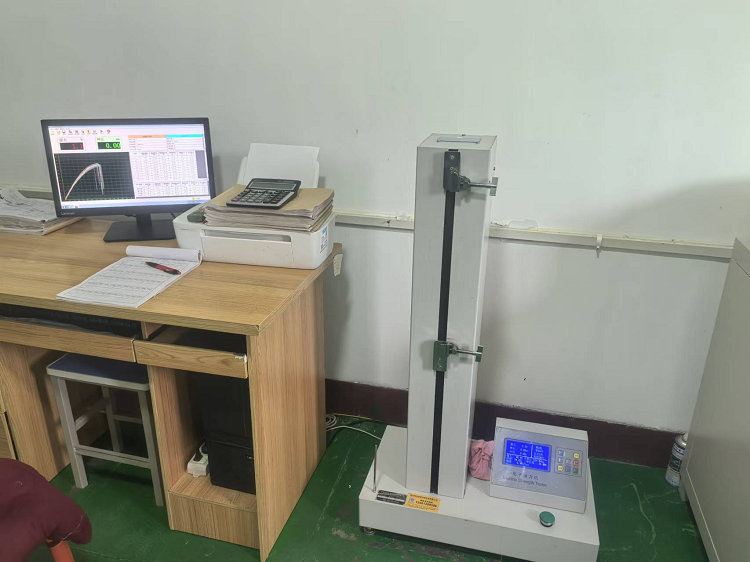
Problem: Bags tear while filling, stacking or shipping. Thin fabric cannot hold 25kg/50kg loads. Cause: Low GSM fabric, impure recycled PP, poor yarn drawing. Avoid: Lock GSM and tensile specs before mass order. Require batch tensile tests.
2. Broken Sewing Seams
Problem: Stitches split at bottom or side seams, letting granular or powder goods leak out. Critical risk for valve bags and food sacks. Cause: Weak thread, low stitch density, skipped stitches. Avoid: Use high-tenacity PP sewing thread. 8–10 stitches per inch; double stitch heavy-duty bag bottoms.
3. Powder Leakage Through Fabric Mesh
Problem: Fine cement, lime or mineral dust seeps through woven gaps. Cause: Loose weaving, no PE liner or BOPP lamination. Avoid: Add BOPP film or inner PE liner for fine powder. Use tighter weave. Test dust penetration at sampling stage.
4. Poor UV Resistance & Sun Brittle Failure
Problem: Bags turn brittle and crack under sunlight, common for outdoor storage or tropical sea shipments. Cause: Missing or insufficient UV masterbatch. Avoid: Add UV stabilizer for outdoor use. Ask for UV aging reports. Keep finished sacks out of direct sun.
5. Faded or Blurry Printing
Problem: Logos, weight markings rub off or look messy. Cause: Low-grade water-based ink, incomplete curing. Avoid: Use weather-resistant ink. Sign off color proofs before bulk printing. Reduce friction on printed surfaces during palletizing.
6. BOPP Lamination Bubbling & Peeling
Problem: BOPP film detaches from woven fabric with air bubbles. Cause: Wrong lamination temperature, dirty fabric, poor adhesive. Avoid: Control production temperature. Run peel tests on pre-production samples. Keep fabric clean and dry.
7. Uneven GSM & Inconsistent Width
Problem: Some sacks are thinner than agreed; width varies, affecting filling volume. Cause: Unstable yarn production, machine calibration drift, mixed raw batches. Avoid: Random GSM sampling for every fabric roll. Check width tolerance in QC. Sort out off-spec rolls before cutting.
| Target Market | Food-Grade Certificates | Physical Test Reports | Eco & Recycling Documents |
| USA & Canada | FDA 21 CFR (Food Contact) | SGS tensile / seam burst test | GRS (PCR plastic) |
| EU Countries | EU 10/2011 (Food Contact) + USP 61/62 (Microbiology) | SGS test | PPWR |
| Australia / New Zealand | Food Contact Compliance | UV aging test report | Recyclability certificate |
| Africa (Nigeria, Ghana) | Basic food contact letter | SGS physical inspection | No strict eco docs required |
| General Industrial (Non-Food) | No food certificate required | Tear strength & dimension test | ISO9001 only |
Quick Pre-Shipment QC Checklist
- Fabric GSM & tensile test
- Seam burst / leak test
- UV additive verification (if required)
- Printing adhesion test
- Dimension tolerance check
- Visual check for holes, broken tapes, stains
FAQ
Q: Can recycled PP woven bags meet export standards? A: Yes. Premium PCR sacks can hit tensile requirements with well-screened raw materials. Virgin PP is more stable for food-grade and long-term outdoor storage.
Q: What certificates do I need for imported woven bags? A: Depends on your market: SGS physical reports, FDA food contact, USP 61/62 microbiology, EU PPWR documents for Europe.
Q: How to reduce quality claim risks? A: Approve pre-production samples first. Use third-party inspection before container loading. Write all specs clearly in contracts.